Overview: Choosing a metal supplier isn’t just about price and availability. Certifications such as ISO 9001, ISO 45001 and ISO 14001 help demonstrate how a supplier manages quality, safety and environmental responsibility. We look at why these standards matter and what ASD’s certifications mean for customers.
What Do Metal Supplier Certifications Mean for Customers?
When you’re choosing a metal supplier, price, availability and lead times will always matter. But there is another question worth asking: what standards does your supplier work to?
Certifications and accreditations provide independent reassurance that recognised processes and standards are in place. For customers working in sectors such as construction, defence, nuclear, infrastructure and energy, that can be particularly important.
At ASD, Safety, Health, Environment and Quality (SHEQ) are central to how we operate, with certifications covering everything from occupational health and safety to responsible sourcing, cyber security and business continuity.
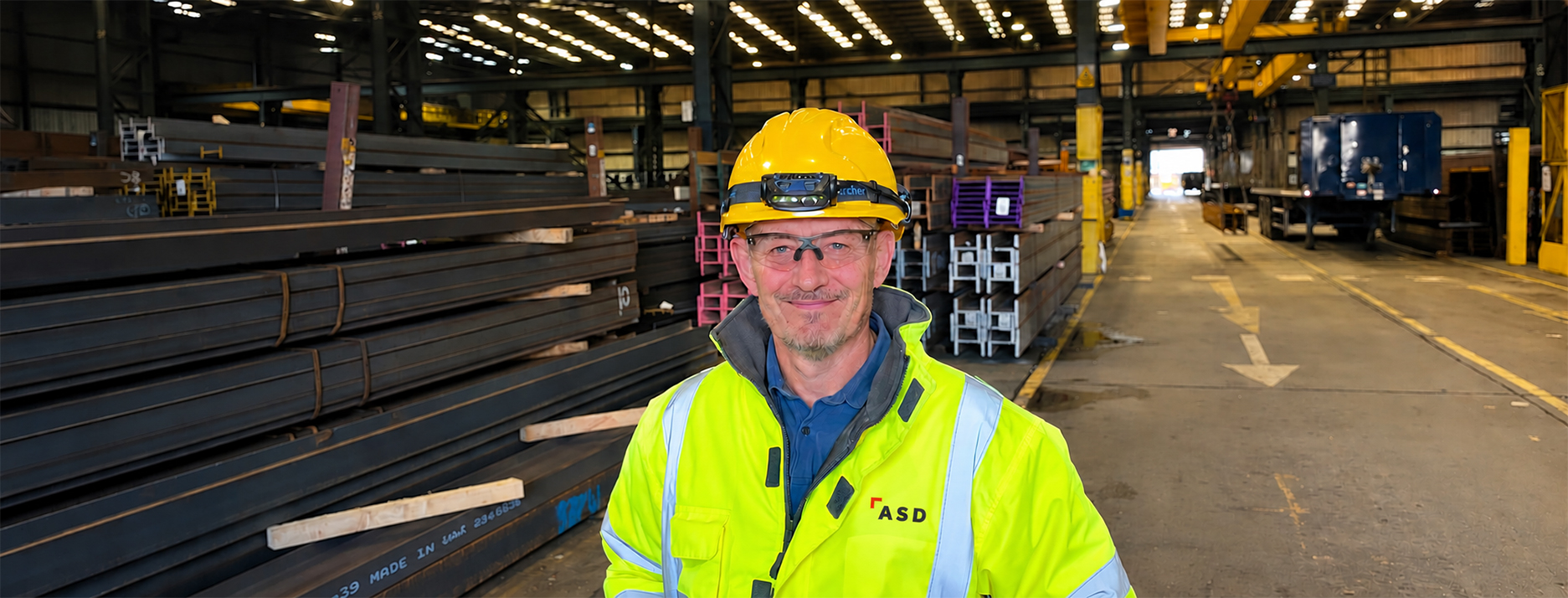
We spoke to John Thewliss, SHEQ Manager at ASD, to find out what these certifications mean in practice and why they matter to customers.
John, what reassurance do certifications actually give customers?
John: Anyone can say they have good processes or take safety, quality or environmental responsibility seriously. A recognised certification means those processes have been assessed against an established standard, giving customers greater confidence in the supplier they’re working with.
At ASD, we’ve always said Safety 1st. How is that reflected in our certifications?
John: Safety is our first priority. Whether our people are handling and processing material, loading vehicles or making deliveries, we want everyone to work safely and go home safely.
ISO 45001 supports that through an internationally recognised framework for occupational health and safety management. Our FORS Gold and Silver accreditations also demonstrate safety and best practice across our transport operations.
Environmental responsibility is becoming increasingly important to customers too.
John: Customers increasingly want to understand not only the material they’re buying, but where it comes from and how responsibly their supply chain operates.
We hold BES 6001 for the responsible sourcing of construction products, as well as Gold status under the Steel Construction Sustainability Charter. Both recognise our commitment to responsible sourcing and the standards we maintain across our operations, helping customers meet their own sustainability commitments.
Our ISO 14001 certification provides the wider framework for environmental management across the business. It helps us identify environmental risks, find opportunities to improve and keep our environmental impact under control.
When we talk about quality, it’s not just about the material itself, is it?
John: Exactly. It’s about what happens at every stage, from choosing our suppliers and receiving material to storing, processing and delivering it. Having the right processes in place is important, but so are the people who carry them out. That’s how we maintain consistency, quality and traceability.
We hold ISO 9001 for quality management, NHSS 3B for the stockholding and distribution of structural steel products for National Highways, JOSCAR for aerospace, defence and security supply chains, and Factory Production Control certification for structural steel products.
We’re also Fit 4 Nuclear (F4N) accredited by NucCoL, which is particularly relevant to customers working within the nuclear sector because it demonstrates our readiness to meet the expectations of that supply chain.
Are customers looking beyond the traditional SHEQ areas too?
John: Absolutely. Supply chains have changed and so have the risks businesses need to manage. Alongside safety, quality and environmental management, areas such as cyber security and business continuity are increasingly important. ASD holds Cyber Essentials Plus for independently verified cyber security controls and ISO 22301 for business continuity management.
Together, they provide additional reassurance around how we protect information, manage risk and maintain continuity of supply.
How do these standards translate into the way ASD operates day to day?
John: For us, it’s about making sure these standards are part of how we work every day, not just something we demonstrate during an audit. They guide how we plan our work, manage risks, handle materials and look for ways to improve. But ultimately, it’s our people who put these standards into practice.
Each certification involves regular audits, checks and controls covering everything from safety and quality to environmental responsibility, security and business continuity. This independent scrutiny is important. It helps us maintain high standards, identify areas for improvement and gives customers confidence that they’re working with a supplier they can rely on.