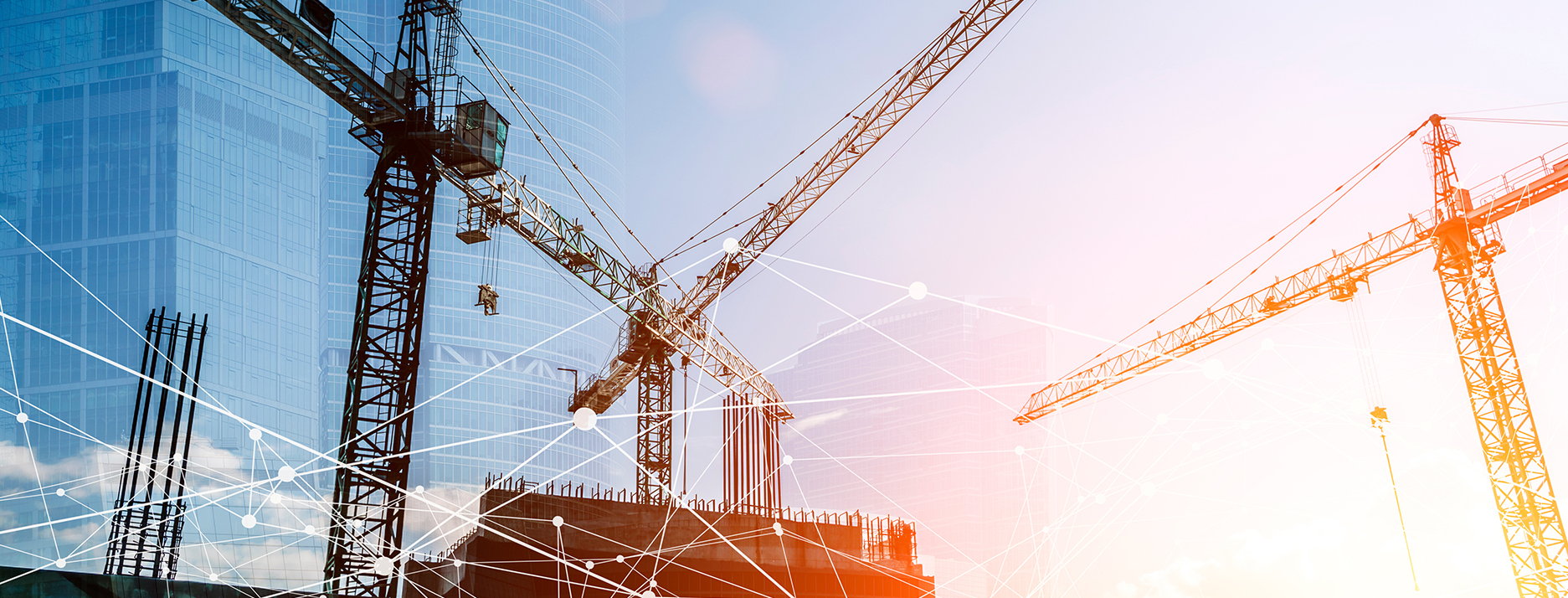
The UK construction sector is preparing for a better year ahead. After a challenging 2025, industry analysts are expecting growth to return in 2026 and 2027. Private housebuilding is showing signs of recovery, and commercial office developments continue to gain momentum. That said, rising employment costs from the Autumn Budget – higher minimum wage and National Insurance contributions, will undoubtedly add pressure to already tight margins.
As we head into 2026, construction businesses are navigating a landscape shaped by sustainability expectations, technological change, workforce challenges, and evolving regulations. Below, we look at the key trends that will define the year ahead and what they mean for your business.
Sustainability and Net Zero Shape Material Choices
Sustainability has moved to the centre of design and procurement strategies. With clients, regulators, and investors placing greater emphasis on carbon reduction and environmental performance, companies are increasingly turning to materials that have a lower impact on the planet.
Lightweight cellular beams, engineered timber, recycled steel, and emerging low-carbon concrete mixes are becoming more visible across projects, reflecting a broader shift toward circular and resource-efficient construction. The specification of lower upfront embodied carbon EAF steel continues to be a strategy on commercial schemes.
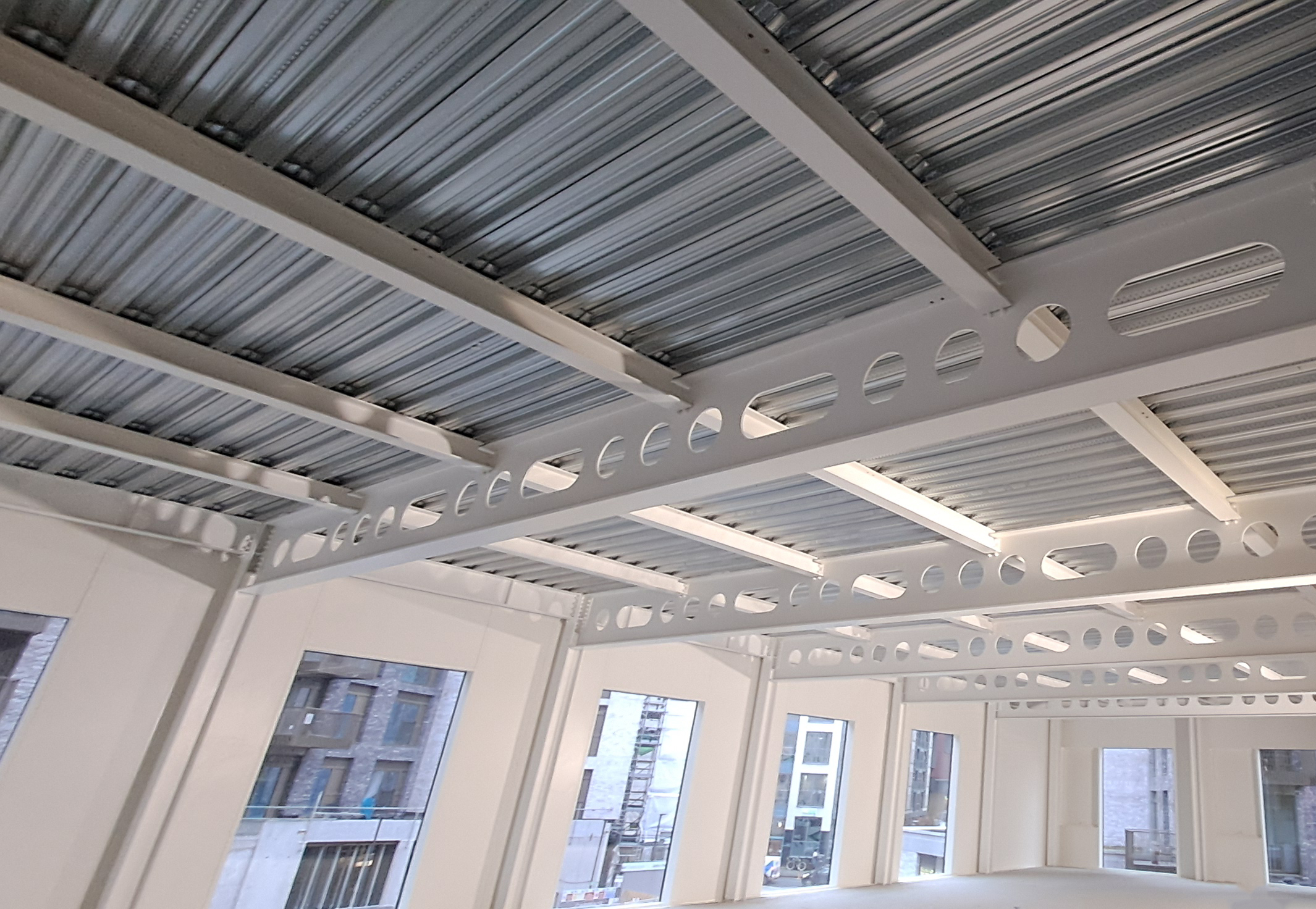

The drive to deliver greener outcomes is also accelerating the use of modular and prefabricated components, which help reduce waste and improve build efficiency. At the same time, retrofitting is gaining more prominence. Upgrading insulation, heating systems, and glazing in older buildings often delivers significant carbon savings while avoiding the environmental costs associated with new construction.
Furthermore, adaptive re-use of existing building stock, via structural alterations to the existing frame, along with vertical and horizontal extensions, is a prominent feature of the commercial office sector, and this will continue to grow in 2026.
The Circular Economy Gains Influence
Circular economy principles are becoming more prominent across UK construction as the industry moves closer to its net-zero commitments. The focus is shifting away from linear, single-use material consumption towards approaches that maximise the lifespan of resources, support reuse and recycling, and minimise waste. This shift not only aligns with sustainability goals but also helps clients manage costs and improve asset value over a building’s full lifecycle.
Infrastructure and Data Centres Create New Market Avenues
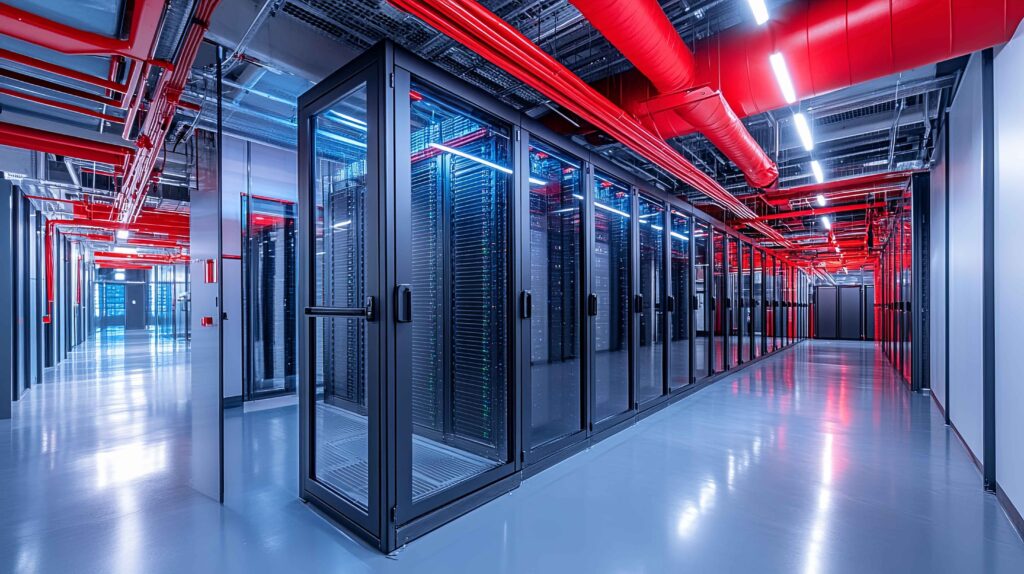
Both public and private sectors are investing heavily in national infrastructure, with upgrades to transport networks, utilities, and energy systems forming a substantial part of the pipeline. In parallel, the rapid growth of cloud computing and AI is fuelling strong demand for new data centres across the UK. These facilities require advanced engineering, robust environmental controls, and strict compliance with regulatory frameworks, making them attractive long-term opportunities for firms able to meet the technical demands.
Off-Site Construction and Modern Methods Gain Momentum
Modern Methods of Construction (MMC) are becoming a more familiar part of the UK building landscape. Off-site fabrication and modular delivery models are helping companies reduce reliance on on-site labour, improve quality control, and shorten delivery times. These methods also minimise disruption caused by weather, site access issues, and other variables that can slow traditional builds.
In a market where capacity, skills, and productivity remain ongoing challenges, MMC is increasingly seen as a strategic pathway to faster, safer, and more predictable project outcomes.
Labour and Skills Remain a Critical Pressure Point
Despite the expectations of returning growth, staffing remains one of the sector’s most significant constraints. Many experienced workers are nearing retirement, and new entrants are not joining in sufficient numbers to close the gap. Growing demand for digital skills, sustainability expertise, and MMC-related competency is intensifying the challenge.
Firms that invest in training, apprenticeships, workforce wellbeing, and more inclusive recruitment are more likely to attract and retain the talent required for the years ahead. Upskilling existing employees in emerging technologies and sustainable practices will also be essential to maintaining competitiveness.
Digital Tools Redefine Project Delivery
Digital transformation continues to reshape how teams collaborate and make decisions. BIM has become an expectation on many major schemes, with Level 2+ capability now forming the basis of digital coordination across design teams and contractors. Beyond BIM, technologies such as AI, data analytics, and digital twins are gaining traction. They support more accurate forecasting, enhance safety planning, and enable real-time insight into asset performance long after construction concludes.
Tools like drones and VR/AR are also moving into the mainstream, offering new ways to monitor progress, conduct inspections, and visualise designs. These developments are helping the industry reduce errors, lower costs, and improve stakeholder engagement throughout a project’s lifecycle.
Regulatory Complexity and Rising Costs Demand Careful Planning
Regulation is becoming an increasingly complex part of project delivery. Requirements linked to building safety, energy performance, environmental impact, and planning are evolving rapidly, and companies need to allow additional time and resources to ensure full compliance.
Alongside regulatory pressures, inflation, higher borrowing costs, and supply chain uncertainties continue to influence project viability. Material costs, particularly for insulation, timber, and steel, are projected to rise further through to 2030, prompting firms to rethink procurement strategies and build greater resilience into project budgets.
Designing for disassembly, choosing materials with clear end-of-life pathways, and planning construction processes that reduce waste are increasingly seen as strategic advantages rather than optional extras.
Get in touch today to find out more about how ASD can support your upcoming projects.